
1. Factors Affecting the Lifespan of a Heavy-duty Aluminum Carport
The lifespan of a Heavy-duty Aluminum Carport is influenced by several critical factors. These include the quality of materials used, the environment in which the carport is installed, and how well it's maintained over the years. Understanding these factors is crucial for maximizing the durability of your carport and ensuring long-term performance.
1.1 Material Quality and Aluminum Grade
The quality of the aluminum used in your carport plays a significant role in how long it lasts. Heavy-duty aluminum carports are made from high-grade materials that resist rust, corrosion, and wear. Premium aluminum alloys, such as 6061-T6, offer increased strength, improved resistance to corrosion, and better structural integrity over time. On the other hand, lower-grade alloys may degrade faster, especially in harsh weather conditions.
Choosing a Heavy-duty Aluminum Carport made from high-grade aluminum ensures you get a long-lasting structure that withstands heavy rains, snow, and UV exposure. The thickness of the aluminum also contributes to the overall durability of the carport. Modern Metal Carports are built with thicker gauges of aluminum for superior strength, making them a reliable choice for residential or commercial use.
1.2 Environmental Conditions (Weather, Climate)
The environmental conditions in which the carport is installed play a massive part in its lifespan. For example, Heavy-duty Aluminum Carports located in areas with high humidity or near the ocean are more likely to experience corrosion due to salty air. Similarly, regions with extreme temperatures—whether very hot summers or cold winters—can also affect the structure's durability over time.
In areas with frequent rain, it's essential to regularly clean and inspect the carport to prevent rust build-up. The climate's impact also varies depending on the presence of UV rays, which can degrade materials that are not properly sealed. Commercial Aluminum Carports may need extra UV protection in sunny regions to ensure they maintain their structural integrity. Keeping these factors in mind will help ensure that your carport remains functional for many years.
1.3 Frequency of Maintenance and Upkeep
Regular maintenance is key to extending the lifespan of your Heavy-duty Aluminum Carport. Over time, dirt, debris, and environmental elements such as tree sap can accumulate on the surface, causing damage if left unaddressed. Regular cleaning, sealing joints, and checking for any structural weaknesses can prevent minor issues from becoming costly repairs.
To ensure your carport stays in top condition, it's crucial to inspect the frame, roof, and gutters at least twice a year. A typical maintenance schedule should include:
-
Cleaning: Remove leaves, dirt, and debris from the roof and gutters.
-
Checking the frame: Tighten loose bolts and fasteners.
-
Sealing: Apply protective coatings to prevent rust and corrosion.
Proper maintenance ensures your Heavy-duty Aluminum Carport continues to serve its purpose for many years without significant wear.
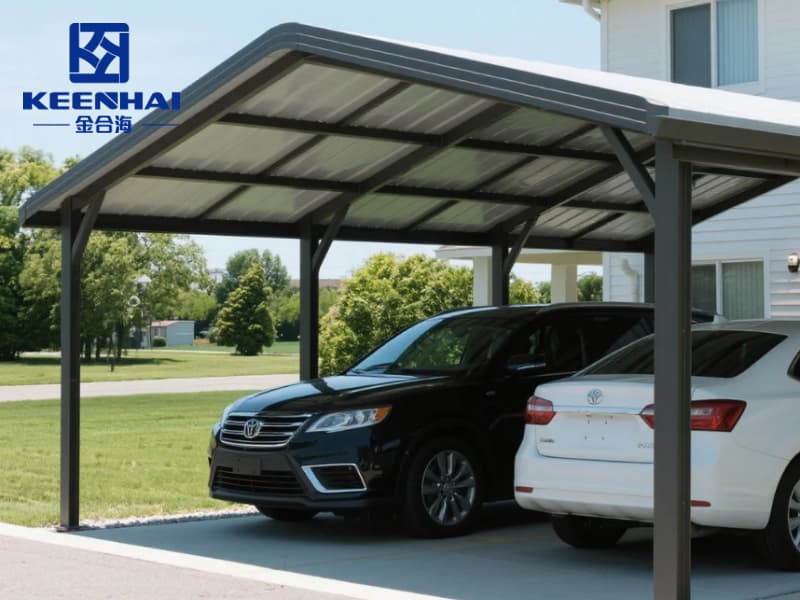
2. Average Lifespan of a Heavy-duty Aluminum Carport
The average lifespan of a Heavy-duty Aluminum Carport largely depends on the materials used, environmental conditions, and maintenance practices. When properly maintained, a high-quality aluminum carport can last for 30 years or more, offering long-term protection for your vehicles and other outdoor items. Below, we’ll explore how climate, material comparisons, and real-world examples contribute to the lifespan of these durable structures.
2.1 Estimated Lifespan in Different Climates
The lifespan of a Heavy-duty Aluminum Carport can vary significantly based on the climate in which it is installed. In mild, temperate climates, an aluminum carport can last well over 30 years with minimal maintenance. However, in more extreme conditions such as coastal areas with salty air or regions with heavy snowfall, it may require more frequent upkeep to prevent corrosion and wear.
For example:
-
Coastal areas: Saltwater air can corrode metals over time, so regular cleaning and sealing are essential. In these regions, a Heavy-duty Aluminum Carport may still last around 25-30 years with proper care.
-
Snow-heavy regions: The weight of snow and ice can put additional stress on the structure, reducing its lifespan if not properly maintained. In such cases, regular snow removal and checking for structural integrity are essential to ensure longevity.
These environmental factors can also affect Modern Metal Carports, Custom Aluminum Carports, and Commercial Aluminum Carports, but proper care can help mitigate these challenges. Regular inspections for rust and protective coatings are key to extending the lifespan in harsh climates.
2.2 Comparison to Other Carport Materials
When compared to other common carport materials like steel, wood, or vinyl, Heavy-duty Aluminum Carports generally have a longer lifespan due to aluminum’s natural resistance to rust and corrosion. Unlike steel, aluminum does not rust, and compared to wood, it does not rot or decay under the influence of weather.
Here’s how aluminum stacks up against other materials:
-
Steel: While steel carports are stronger, they are more prone to rust and corrosion unless coated with special rust-resistant treatments. Steel carports typically last between 15-20 years before needing significant repairs or replacements.
-
Wood: Wooden carports require extensive maintenance to prevent rot, termites, and water damage. Their lifespan is generally around 10-15 years, much shorter than aluminum.
-
Vinyl: Vinyl carports have a lifespan of around 20-25 years, but they are not as durable as aluminum in extreme weather conditions.
By choosing a Heavy-duty Aluminum Carport, you are ensuring a more durable, low-maintenance option that outperforms other materials in terms of both longevity and structural integrity.
2.3 Real-World Examples of Heavy-duty Aluminum Carport Durability
Many homeowners and businesses have reported excellent long-term performance with Heavy-duty Aluminum Carports. For instance, a Commercial Aluminum Carport installed in Arizona, a state known for its extreme heat, still stood strong after 25 years of service. The carport's frame showed no signs of rust, thanks to the high-quality aluminum used in construction and the regular maintenance performed.
Another example comes from a residential Modern Metal Carport in Florida, which has withstood constant exposure to salty sea air and hurricanes for over 20 years. The key to its longevity was the application of UV-resistant coatings and regular inspections to ensure that the frame remained intact and free from corrosion.
These examples showcase the resilience of Heavy-duty Aluminum Carports, especially when properly maintained, proving that they are a long-lasting, reliable investment for any property.
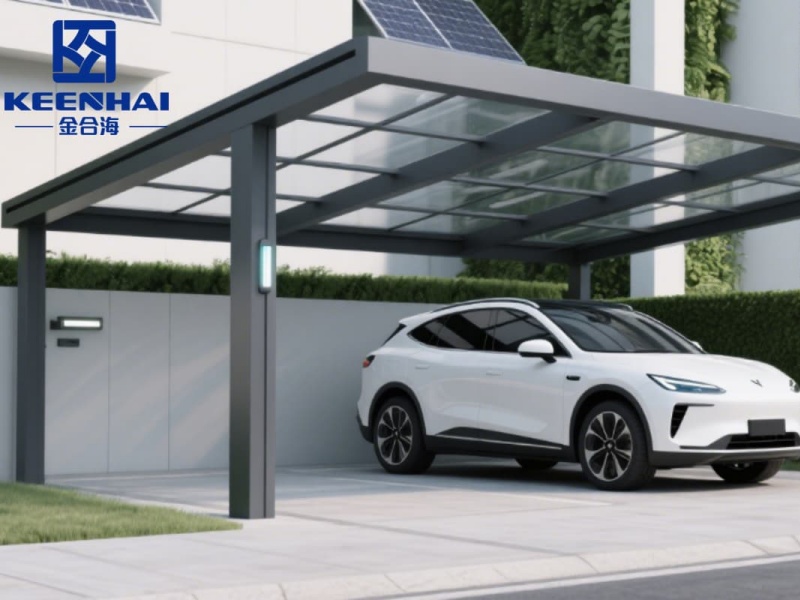
3. Maintaining a Heavy-duty Aluminum Carport for Longevity
To maximize the lifespan of a Heavy-duty Aluminum Carport, regular upkeep is essential. Proper maintenance helps prevent wear, corrosion, and structural damage, ensuring that your carport remains in excellent condition for many years. Below are key maintenance practices that will help keep your aluminum carport performing optimally.
3.1 Regular Cleaning and Inspections
Regular cleaning and inspections are the foundation of carport maintenance. Heavy-duty Aluminum Carports require cleaning to remove dirt, debris, and environmental buildup. You should clean the roof, gutters, and beams at least twice a year—more often if you live in areas with heavy snowfall, rain, or high dust levels.
-
Cleaning the surface: Use a mild detergent and soft cloth or sponge to remove dirt and grime. Avoid abrasive tools that can scratch the aluminum surface.
-
Gutters and drainage: Regularly clean the gutters and downspouts to prevent blockages that could lead to water damage. Clogged gutters can cause water to pool around the carport, which can eventually damage the structure.
-
Inspection for corrosion: Inspect the frame and support beams for early signs of corrosion or damage, particularly around joints and connections. While aluminum is resistant to rust, exposure to harsh elements can cause wear over time.
By maintaining these practices, you'll preserve the structural integrity and appearance of your Heavy-duty Aluminum Carport.
3.2 Protective Coatings and Sealants
One of the best ways to extend the life of your Heavy-duty Aluminum Carport is by applying protective coatings and sealants. These coatings provide an extra layer of defense against environmental elements such as UV rays, moisture, and pollutants.
-
Applying protective coatings: Aluminum naturally resists corrosion, but applying a high-quality UV-resistant coating can further protect the carport from the sun’s harsh rays, which can cause fading and deterioration over time.
-
Sealing joints and connections: Over time, the seals around joints and fasteners may degrade, allowing water and debris to seep in. Re-sealing these areas ensures that moisture does not penetrate, preventing rust or mold buildup.
-
Coating options: Depending on your environment, you might consider specific coatings such as anti-corrosion sprays or wax-based protectants to enhance durability, especially in coastal or highly humid areas.
For optimal results, make sure to apply coatings according to the manufacturer's recommendations. Regular touch-ups can prevent long-term damage and help maintain the functionality of your Heavy-duty Aluminum Carport.
3.3 Structural Reinforcement and Repair
In addition to routine cleaning and protective coatings, it’s essential to address any structural issues promptly to avoid more serious damage. Over time, exposure to environmental stressors like heavy winds, snow, or rain can affect the frame and support system of your Heavy-duty Aluminum Carport.
-
Inspecting the frame: Regularly check the frame and support columns for signs of bending, cracking, or looseness. Addressing minor issues early can prevent costly repairs later on.
-
Reinforcing weak spots: If you live in an area with heavy snowfall or high winds, you may need to reinforce certain areas of the carport. This could include adding additional support beams or securing the frame more tightly to the ground.
-
Repairs: If you find any structural damage, it’s crucial to repair it promptly. Minor issues like loose bolts or damaged joints can often be fixed with simple tools, but more severe issues may require professional intervention.
By ensuring that your Heavy-duty Aluminum Carport remains structurally sound, you prevent larger, more costly problems from arising, keeping your carport safe and secure for years to come.
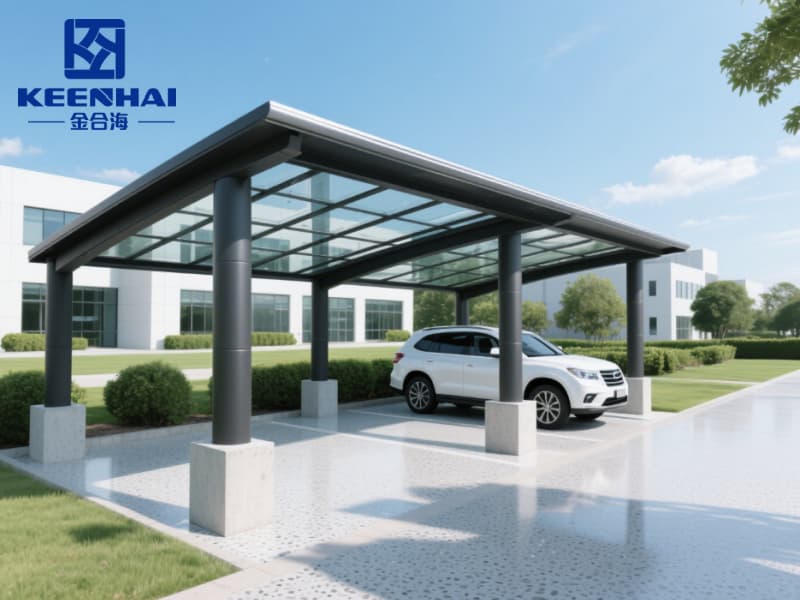
4. How to Extend the Lifespan of Your Heavy-duty Aluminum Carport
A Heavy-duty Aluminum Carport is built to last, but with the right care and maintenance, you can ensure it lasts even longer. Proper maintenance practices not only preserve its appearance but also protect it from environmental factors that can accelerate wear and tear. Below are essential tips to extend the lifespan of your carport, keeping it strong and functional for years to come.
4.1 Preventing Rust and Corrosion
While aluminum is naturally resistant to rust, it can still corrode under certain conditions, especially if exposed to moisture, salt, or harsh chemicals. To prevent corrosion, it's essential to maintain the carport's surface and joints regularly.
-
Cleaning and Removing Debris: Regular cleaning helps remove dirt, leaves, and other debris that can trap moisture. Use a mild detergent and a soft cloth to clean the surface. Avoid abrasive scrubbers that could scratch the metal and expose it to corrosion.
-
Protective Coatings: Apply a protective coating designed for aluminum to create a barrier that prevents corrosion. These coatings also protect the surface from environmental contaminants, such as saltwater if you live near the coast.
-
Inspecting for Signs of Corrosion: Even though aluminum resists rust, periodic inspections of joints, bolts, and seams are essential. If you notice any signs of corrosion, address it immediately to prevent further damage.
For enhanced protection, consider investing in an Aluminum Carport with built-in rust-resistant features, which can save you time and maintenance effort.
4.2 Preventing Weather Damage (UV, Wind, Hail)
Environmental factors like UV rays, high winds, and hail can take a toll on your Heavy-duty Aluminum Carport. While aluminum is highly durable, UV exposure can cause fading and brittleness over time, while strong winds and hail can damage the structure. Here’s how to protect your carport from weather-related damage:
-
UV Protection: Apply a UV-resistant coating to prevent the aluminum from fading or weakening under prolonged sun exposure. These coatings help preserve the structural integrity and appearance of your carport.
-
Reinforce Against Wind: High winds can put excessive pressure on your carport, especially if it is attached to a building or in an open area. Reinforce your carport’s support structure by ensuring that all bolts are tightened and that the foundation is secure. If necessary, add wind bracing or additional columns for stability.
-
Hail Protection: While aluminum can withstand most weather conditions, hailstorms can cause dents and dings. To prevent this, consider installing a protective roof cover or shields that absorb impact, preventing damage to the carport's roof.
A well-maintained Heavy-duty Aluminum Carport can withstand a range of weather conditions, and these precautions will ensure it continues to perform well in harsh environments.
4.3 Upgrading and Customizing for Improved Durability
Sometimes, upgrading or customizing your carport can significantly improve its lifespan and resistance to damage. Here’s how you can optimize your Heavy-duty Aluminum Carport for better performance:
-
Upgrading the Roof: If you live in an area prone to extreme weather, consider upgrading the roof to a more durable material, such as a thicker aluminum or a polycarbonate sheet that can better withstand hail and other impacts.
-
Reinforcing the Frame: For additional strength, particularly in areas with heavy snow or wind, reinforcing the frame with thicker beams or adding extra columns can help the carport stand up to the elements.
-
Custom Features: Customize your Heavy-duty Aluminum Carport with additional features like side panels, extra height, or covered walls for added protection. These features can help protect vehicles from wind, rain, or debris.
By investing in upgrades or customizations, you’ll enhance the durability and functionality of your carport, ensuring it stands strong for years to come.
A Heavy-duty Aluminum Carport typically lasts 20 to 30 years with proper maintenance. Factors such as material quality, environmental conditions, and care play a significant role in determining its lifespan. Regular cleaning, inspections, and the use of protective coatings can significantly extend its longevity. If you’re looking for long-term protection for your vehicle, a well-maintained aluminum carport offers an excellent solution.